Pneumonia in Adults: Signs That Require an Ambulance
Reviewed by Oksana Vitaliivna Karaseva, Pulmonologist updated: 20 October 2026
Pneumonia is called inflammation of the lungs, and it often starts as an ordinary cold. That is why many people treat it at home and lose precious time. Let’s look at which symptoms of pneumonia should alert you, when you must call an ambulance and how not to mistake pneumonia for a cold.
What Pneumonia Is and How It Starts
Pneumonia is an infectious inflammation of lung tissue in which the alveoli fill with fluid and gas exchange is impaired. The causative agents are bacteria, viruses and, less often, fungi. The disease can begin on the third to seventh day of ARVI, when after an improvement your well-being suddenly worsens. It is precisely this “second worsening” that is the most common signal that a cold has turned into pneumonia. The inflammation can occupy one lobe of the lung, a segment, or both lungs, and the severity of the illness depends on this.
How Pneumonia Shows Itself: Temperature, Cough, Shortness of Breath, Chest Pain, Weakness
The main symptoms of lung inflammation:
- temperature above 38 °C, chills, sweating;
- cough, dry and then wet, with phlegm, sometimes with blood;
- shortness of breath, a feeling of not getting enough air, rapid breathing;
- chest pain that gets worse on inhalation and when coughing;
- marked weakness, headache, loss of appetite.
Typical and “Hidden” (Atypical) Pneumonia
Typical pneumonia begins acutely, with a high temperature and cough. Atypical pneumonia is caused by mycoplasma and chlamydia: it is milder, with a dry cough, headache and a slight temperature. This form is called “hidden”: the person goes to work, but the cough and weakness do not go away, and the symptoms increase. That is why a long-lasting cough is a reason for examination.
Warning Signs of Pneumonia: When You Need to Call an Ambulance
Call an ambulance if the person has:
- shortness of breath at rest, or difficulty speaking in full sentences;
- bluish lips and fingertips;
- severe chest pain;
- confusion, drowsiness;
- blood in the phlegm;
- saturation (blood oxygen level) below 94%, if you measure it with a pulse oximeter;
- a temperature above 39 °C that does not go down after an antipyretic;
- low blood pressure, a weak rapid pulse.
How to Tell Pneumonia from Bronchitis, ARVI and Coronavirus
With ARVI, a runny nose, sore throat and a mild temperature predominate. Bronchitis shows itself as a cough, but the temperature is more often low, and breathing is not affected. Pneumonia gives more marked intoxication, a high temperature and shortness of breath. Coronavirus infection can also cause pneumonia, so additional tests are performed if it is suspected.
The differences in symptoms are not always visible, so it is important to understand when observation is enough and when a chest X-ray is needed. Observation is possible with a mild course of a cold, when the symptoms are subsiding. An X-ray is needed if the temperature stays above 38 °C for more than 3 days, shortness of breath appears, there is chest pain when breathing, or the cough does not go away for 2–3 weeks.
Who Is at Risk and Why Pneumonia Can Be Dangerous
A severe course is more common in the elderly, smokers, and patients with diabetes, heart disease, COPD, asthma, cancer, weakened immunity, as well as in people who abuse alcohol. If pneumonia develops in an elderly person, the symptoms may be blurred: instead of a high temperature, confusion and weakness. The danger of pneumonia lies in respiratory failure, damage to the heart, the development of sepsis and the accumulation of fluid in the pleural cavity.
What to Do Until the Ambulance Arrives: First Aid for Pneumonia
Body Position, Access to Air, Fluids
Put the person in a semi-sitting position with the head and shoulders raised. Provide a flow of fresh air and loosen tight clothing. Give warm drinks in small portions. If you have a pulse oximeter, measure the saturation periodically.
What You Must Not Do
- Take antibiotics on your own: a wrong choice will make diagnosis harder.
- Warm the chest, or use mustard plasters and compresses when the temperature is high.
- Force the person to walk around and treat pneumonia “on their feet.”
- Give cough suppressants when there is abundant phlegm.
How Pneumonia Is Diagnosed and Treated
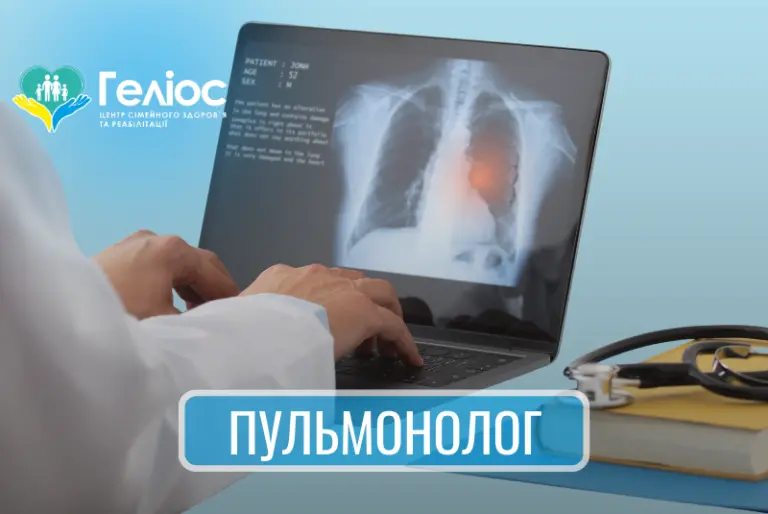
Diagnosis includes an examination and listening to the lungs, pulse oximetry, a complete blood count, determination of CRP, and a chest X-ray. If results are doubtful, a chest CT is ordered, which shows changes more accurately. An X-ray makes it possible to see the focus of inflammation and assess how much the lungs are affected. To clarify the cause, a sputum test and bronchoscopy may be needed.
Treatment is selected by the doctor. What to treat pneumonia with depends on the pathogen: more often these are antibiotics, as well as drugs to lower the temperature and ease the cough. A mild form is treated at home under a doctor’s supervision, while a severe condition requires hospital treatment. Indications for hospitalization are shortness of breath, low saturation, confusion, old age and severe chronic diseases. How can you cure pneumonia at home? Take the medicines strictly according to the schedule, stay in bed, and drink plenty of fluids. 2–3 days after the start of therapy the temperature should go down. If this does not happen, you need to go back to the doctor.
After recovery, the cough and weakness may persist for several more weeks. A follow-up X-ray is done after 4–6 weeks, especially for smokers and people over 50, to make sure the inflammation has cleared up.
For prevention it is important not to smoke, to treat ARVI and chronic diseases in good time, and for people in risk groups to get vaccinated against influenza and pneumococcal infection. You should not treat a cold “on your feet”: overexertion increases the risk of complications.
Help for Pneumonia at Helyos: Diagnosis and Specialists
At the Helyos medical center you can undergo a full examination and get a consultation with a pulmonologist for adults. Appointments are given by the pulmonologist Oksana Vitalievna Karaseva. The doctor will order tests, select treatment and give recommendations for recovery.

Was this article helpful?
Thank you for rating.
Frequently asked questions
When to seek medical attention
• cough lasting more than 2-3 weeks
• shortness of breath at rest or during physical activity
• wheezing, wheezing, chest tightness
• frequent bronchitis, recurrent acute respiratory viral infections, suspected pneumonia
• hemoptysis, chest pain, fever
Diagnosis and Treatment
To confirm the diagnosis, laboratory tests, spirometry, chest X-ray or CT scan, ultrasound of the lungs and pleural cavities, and bronchoscopy, if indicated, may be used.
How does a consultation work?
- Consultation and examination with a pulmonologist
- Respiratory function assessment and analysis of examination results
- Diagnosis of acute and chronic respiratory diseases
- Prescription of treatment, inhalation therapy, or additional consultations
- Monitoring of treatment effectiveness and exacerbation prevention
Benefits of visiting the Helios Medical Center
• Comprehensive approach: consultation, diagnosis, treatment, and rehabilitation in one medical center
• Appointments can be scheduled online or by phone
• Modern diagnostic facilities and collaboration between doctors from various specialties
• Convenient branches in Dnipro and Samara
• Personalized recommendations after the consultation
Scheduling an Appointment
To schedule a consultation in Pulmonology, submit a request on the website or call the Helios Medical Center. The administrator will help you choose a branch, doctor, and a convenient appointment time.
Still have questions?
Leave your details and a doctor will call you back.