Knee Arthrosis: Why Winter Makes the Pain Worse
Reviewed by Andrey Valerievich Degtyar, Orthopedic traumatologist, top category, arthrologist. updated: 1 November 2026
When the cold sets in, the knees begin to hurt more: in the morning the joint “won’t straighten,” and stairs turn into a trial. Many people put it down to age, but the cause may be arthrosis. Let’s look at what kind of disease this is, why the pain gets worse in winter and what to do to keep your mobility.
Knee Arthrosis: What It Is and Why the Pain May Get Worse in Winter
Knee arthrosis, or osteoarthritis, is a chronic disease in which the joint cartilage is gradually destroyed. It stops absorbing shock, the bones rub against each other, and inflammation and deformity of the joint develop. That is why the disease is also called deforming arthrosis.
In winter the pain usually gets worse for several reasons: cold causes spasm of muscles and blood vessels, physical activity decreases, and changes in pressure and humidity irritate the inflamed joint. The exact mechanism has not been fully studied, but many patients confirm the link between weather and pain. Important: cold does not cause arthrosis, it only intensifies existing symptoms. So if your knees hurt only in winter, you should still have an examination: the disease may have already started.
Causes, Signs and Stages of Knee Arthrosis
The causes include age over 45–50, excess weight, knee injuries, including a meniscus tear, increased loads, heredity and weak thigh muscles. The main signs of knee arthrosis:
- pain when walking and climbing stairs that subsides at rest;
- “starting” pain and stiffness in the morning for up to 30 minutes;
- crunching and clicking in the joint;
- swelling and deformity of the knee;
- limited movement, difficulty squatting.
The severity of changes is determined by stages.
| Stage of arthrosis | Main symptoms | Possible movement limitations | Approach to seeking medical help |
|---|---|---|---|
| 1 (initial) | Mild pain after exertion, crunching | None | Orthopedist consultation, adjusting the load |
| 2 | Pain when walking, morning stiffness | Mild limitation of bending | Treatment, therapeutic exercise, monitoring |
| 3 | Constant pain, deformity | Marked limitation, difficulty walking | Comprehensive treatment, discussing surgery |
| 4 | Severe pain even at rest, significant deformity | Sharp limitation, limping | Surgical treatment |
How Knee Arthrosis Is Diagnosed with Pain After Chilling
If your knee started hurting after chilling and the pain does not go away for more than a week, you should have an examination. The doctor examines the joint, assesses mobility and swelling, and checks your gait. The main diagnostic method is a standing X-ray of the knee: it shows narrowing of the joint space and bony growths. Ultrasound helps to see the condition of the cartilage and soft tissues, and blood tests help rule out arthritis and gout. You can book an appointment with an orthopedic trauma doctor in Dnipro.
Conservative Treatment of Knee Arthrosis: Pills, Injections and Rehabilitation
Arthrosis cannot be cured completely, but it can be slowed down and the pain eased. Treatment is comprehensive:
- anti-inflammatory drugs in tablets and ointments — as prescribed by a doctor;
- intra-articular injections: hyaluronic acid, drugs to replace synovial fluid, platelet-rich plasma;
- chondroprotectors, whose effectiveness is assessed differently, so the decision is made by the doctor;
- therapeutic exercise, massage, physiotherapy;
- weight loss — each kilogram lowers the load on the knee.
Rehabilitation after joint diseases works well: strengthening the thigh muscles unloads the joint. For more on how to cope with pain, see the page “Joint pain and physical rehabilitation”.
What to Do in Winter to Reduce Pain and Avoid Overloading the Knee
- Dress warmly and keep your knees warm.
- Choose footwear with a non-slip sole so you do not fall.
- Keep moving: walking, swimming, exercises on a machine without impact load.
- Avoid standing for a long time, deep squats and heavy lifting.
- Use a cane or a knee brace on your doctor’s recommendation.
- Watch your weight.
When Surgical Treatment and Recovery Are Considered for Knee Arthrosis
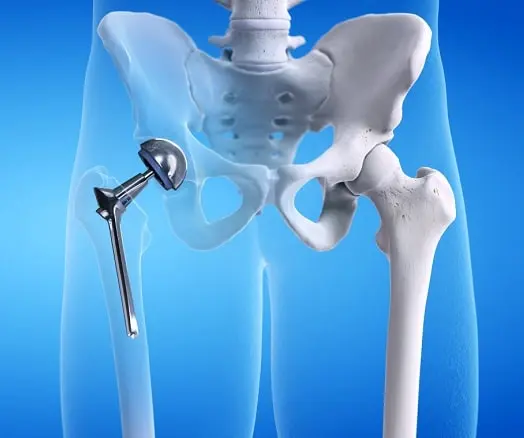
If treatment does not help and the pain interferes with walking and sleeping, an operation is discussed. In the early stages orthopedic surgery is possible, including arthroscopy and correction of the leg axis. In severe arthrosis, joint replacement is used: the damaged surfaces are replaced with artificial ones. Walking is usually allowed as early as the next day, and full recovery takes several months.

Was this article helpful?
Thank you for rating.
Prices
Schedule an appointment with a doctor
-
 Alexander Vasilyevich Gubarik
Orthopedic traumatologist, Surgeon
Work Experience: 32 years
-
 Semenko Vitaliy Oleksandrovych
Orthopedic traumatologist
Work Experience: 7 years
-
 Andrii Hryhorovych Kushnirenko
Orthopedic traumatologist
Work Experience: 35 years
-
 Litvin Valeriy Volodymyrovych
Orthopedic traumatologist
Work Experience: 8 years
Frequently asked questions
History taking:
The doctor will learn about complaints, history of injury and illness.
Examination:
Joints, bones and muscles are checked for deformities or pain points.
Diagnosis:
X-rays, ultrasound, MRI or tests are ordered if necessary.
Treatment plan:
The orthopaedist makes an individualised therapy plan including medication, physiotherapy or surgery.
Explanation of recommendations:
The doctor gives advice on recovery and prevention.
Still have questions?
Leave your details and a doctor will call you back.