Surgical Treatment of Peritonitis in Dnipro
Reviewed by Alexander Vasilyevich Gubarik, Honored Doctor of Ukraine, Orthopedic Surgeon updated: 31 July 2026
Peritonitis is a severe inflammation of the peritoneum that develops when infection, gastrointestinal contents, bile, or blood enter the abdominal cavity. It is a surgical emergency requiring immediate medical attention. Without prompt treatment, peritonitis progresses rapidly and may lead to sepsis, multiple organ failure, and life-threatening complications.
At the Helyos Surgery and Rehabilitation Center, emergency diagnosis and surgical treatment of peritonitis are performed using advanced surgical techniques. Experienced specialists provide comprehensive care from the moment of admission through complete postoperative rehabilitation.
What Is Peritonitis?
The peritoneum is a thin serous membrane that lines the abdominal cavity and covers the abdominal organs. When infection or the contents of a damaged organ enter the abdominal cavity, inflammation develops rapidly and may spread throughout the entire peritoneal cavity.
Peritonitis is a medical emergency that requires immediate surgery. Every delay increases the risk of severe complications.
Depending on its cause, peritonitis may be classified as:
- Primary peritonitis
- Secondary peritonitis
- Postoperative peritonitis
Causes and Types of Peritonitis
Peritonitis most commonly develops as a complication of other abdominal diseases.
The most frequent causes include:
- Acute appendicitis
- Perforated gastric or duodenal ulcer
- Acute cholecystitis
- Intestinal obstruction
- Abdominal trauma
- Intestinal perforation
- Complications after abdominal surgery
- Inflammatory diseases of the abdominal organs
According to its clinical course, peritonitis may be:
- Acute peritonitis
- Chronic peritonitis
Based on the extent of inflammation, it may be classified as:
- Localized peritonitis
- Generalized peritonitis
- Diffuse peritonitis
Acute peritonitis requires emergency hospitalization and immediate surgery.
Symptoms and Diagnosis of Peritonitis
The clinical picture develops rapidly and is accompanied by significant deterioration of the patient's condition.
The main symptoms include:
- Severe abdominal pain
- Muscle rigidity of the abdominal wall
- Fever
- Nausea and vomiting
- Marked weakness
- Rapid heart rate
- Dry mouth
- Inability to pass stool or gas
If these symptoms occur, emergency medical services should be contacted immediately.
Diagnostic evaluation includes:
- Consultation with a surgeon
- Physical examination
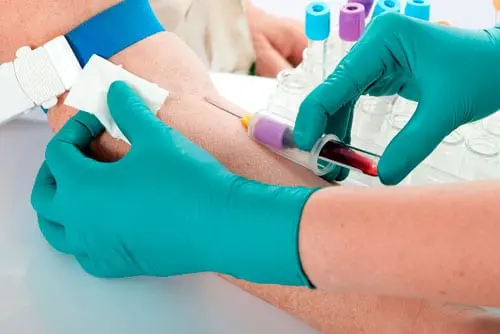
- Laboratory blood tests
- Ultrasound examination
- Computed tomography (CT)
- Abdominal X-ray
- Additional diagnostic tests when indicated
A comprehensive evaluation allows rapid confirmation of the diagnosis and determination of the required surgical approach.
Surgical Treatment of Peritonitis
Peritonitis can only be treated in a surgical hospital setting.
The primary goals of surgery are:
- Eliminate the source of infection
- Thoroughly irrigate and clean the abdominal cavity
- Remove infected fluid
- Restore the integrity of damaged organs
- Prevent further spread of infection
Different surgical techniques are selected depending on the patient's clinical condition.
Laparotomy
Laparotomy is the traditional surgical approach for treating peritonitis.
During the procedure, the surgeon performs a wide abdominal incision, eliminates the source of infection, thoroughly irrigates the abdominal cavity with antiseptic solutions, and places surgical drains when necessary.
This method is commonly used in severe cases and in patients with widespread inflammation.
Laparoscopic Surgery
In selected cases, peritonitis may be treated using laparoscopic surgery.
The main advantages include:
- Minimal tissue trauma
- Reduced postoperative pain
- Faster recovery
- Shorter hospital stay
- Excellent cosmetic outcome
Whether laparoscopic surgery is appropriate is determined by the surgeon after a comprehensive evaluation.
Postoperative Care and Rehabilitation
Following surgery, patients remain under continuous medical supervision.
The recovery program includes:
- Intensive medical therapy
- Antibiotic treatment
- Continuous monitoring of vital signs
- Therapeutic nutrition
- Gradual increase in physical activity
- Prevention of postoperative complications
Postoperative rehabilitation focuses on restoring normal body function and preventing recurrent inflammatory processes.
What are the indications for surgical treatment of peritonitis?
The primary indication is a confirmed diagnosis of peritonitis. Regardless of the underlying cause, emergency surgery is required to eliminate the source of infection and prevent life-threatening complications.
What diagnostic methods are used when peritonitis is suspected?
Diagnosis includes examination by a surgeon, laboratory testing, ultrasound, computed tomography (CT), abdominal X-ray, and other diagnostic methods that allow rapid confirmation of the condition.
How long is the recovery period after peritonitis surgery?
Recovery depends on the severity of the disease, the extent of surgery, and the patient's overall condition. After discharge, patients should follow their physician's recommendations, adhere to the prescribed therapeutic diet, avoid excessive physical activity, and attend regular follow-up examinations.

Was this article helpful?
Thank you for rating.
Prices
Schedule an appointment with a doctor


Still have questions?
Leave your details and a doctor will call you back.