We use cookies to keep the site working and to understand how it is used. Privacy policy
Get your Check-up!
Bradycardia is a heart rhythm disorder in which the resting heart rate falls below 60 beats per minute. For some people, especially well-trained athletes, a slower heart rate may be completely normal. However, in many cases, bradycardia may indicate an underlying cardiovascular condition or another medical disorder that requires professional evaluation and treatment.
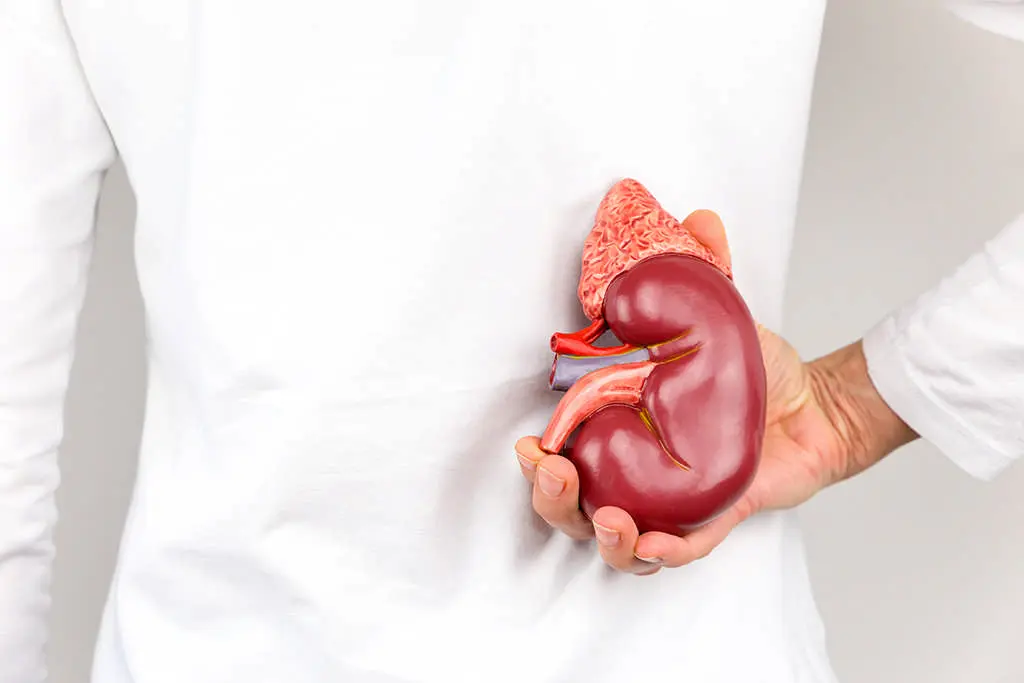
Kidney stone disease (urolithiasis) is a common urological condition in which hard mineral deposits (stones) form in the kidneys or urinary tract. These stones may remain asymptomatic for a long time, but as they grow or move through the urinary system, they can cause severe pain, urinary obstruction, and other potentially serious complications. Early diagnosis and appropriately selected treatment help remove stones and reduce the risk of recurrence.
Otitis is an inflammatory condition of the ear that commonly affects both adults and children. It often develops as a complication of the common cold, influenza, or other respiratory infections. Without timely treatment, otitis can lead to hearing loss and other serious complications. That is why it is important to seek medical attention as soon as the first symptoms appear.
Vaginal yeast infection, also known as vaginal candidiasis or thrush, is one of the most common conditions affecting women's reproductive health. According to medical statistics, most women experience at least one episode during their lifetime. Although vaginal candidiasis is not considered a sexually transmitted infection (STI), it can significantly affect comfort and quality of life. Prompt medical evaluation helps identify the underlying cause of symptoms, provide effective treatment, and reduce the risk of recurrent infections
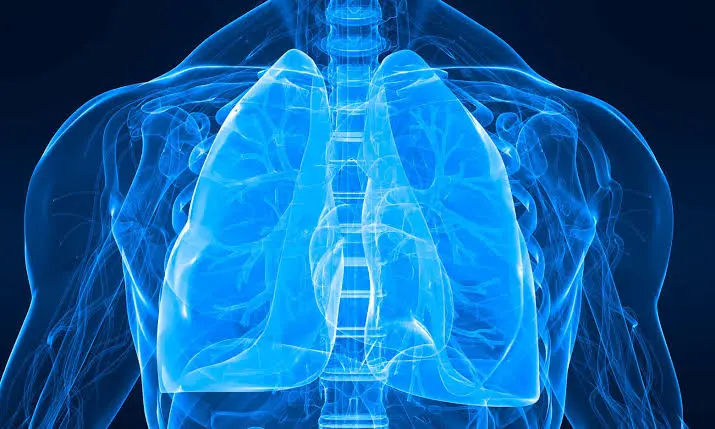
Computed tomography (CT) of the lungs is one of the most accurate diagnostic methods used in modern medicine to evaluate respiratory diseases. Thanks to its high-resolution imaging capabilities, CT provides a detailed assessment of the lung tissue, bronchi, pleura, and mediastinum, helping detect pathological changes at an early stage and determine the most appropriate treatment strategy. Unlike conventional chest X-rays, CT produces cross-sectional images of the organs, significantly improving diagnostic accuracy.
Laparoscopy is one of the most advanced surgical treatment methods in gynecology. Thanks to minimally invasive technology, a surgeon can make an accurate diagnosis and perform the required procedure without large incisions. This approach helps shorten hospital stays, reduce postoperative pain, and speed up the patient's recovery. Today, laparoscopic procedures are widely used to treat diseases of the uterus, ovaries, and other pelvic organs, providing high treatment effectiveness and faster rehabilitation.
Infertility is a common condition that can affect both women and men. According to medical statistics, approximately 15–20% of couples of reproductive age experience difficulties conceiving, and the causes may be related to disorders affecting either or both partners. A timely consultation with a reproductive specialist helps identify the factors preventing pregnancy and determine the most effective treatment. The earlier the diagnosis is made, the greater the chances of achieving a successful pregnancy and giving birth to a healthy child.
Hormonal balance plays a vital role in the proper functioning of the female body. Hormones regulate the menstrual cycle, reproductive health, metabolism, emotional well-being, and the function of many internal organs. Even a minor hormonal imbalance can negatively affect a woman's health, cause a variety of symptoms, and reduce overall quality of life. Timely consultation with a physician and comprehensive diagnostic evaluation help identify the underlying cause and determine the most appropriate treatment.
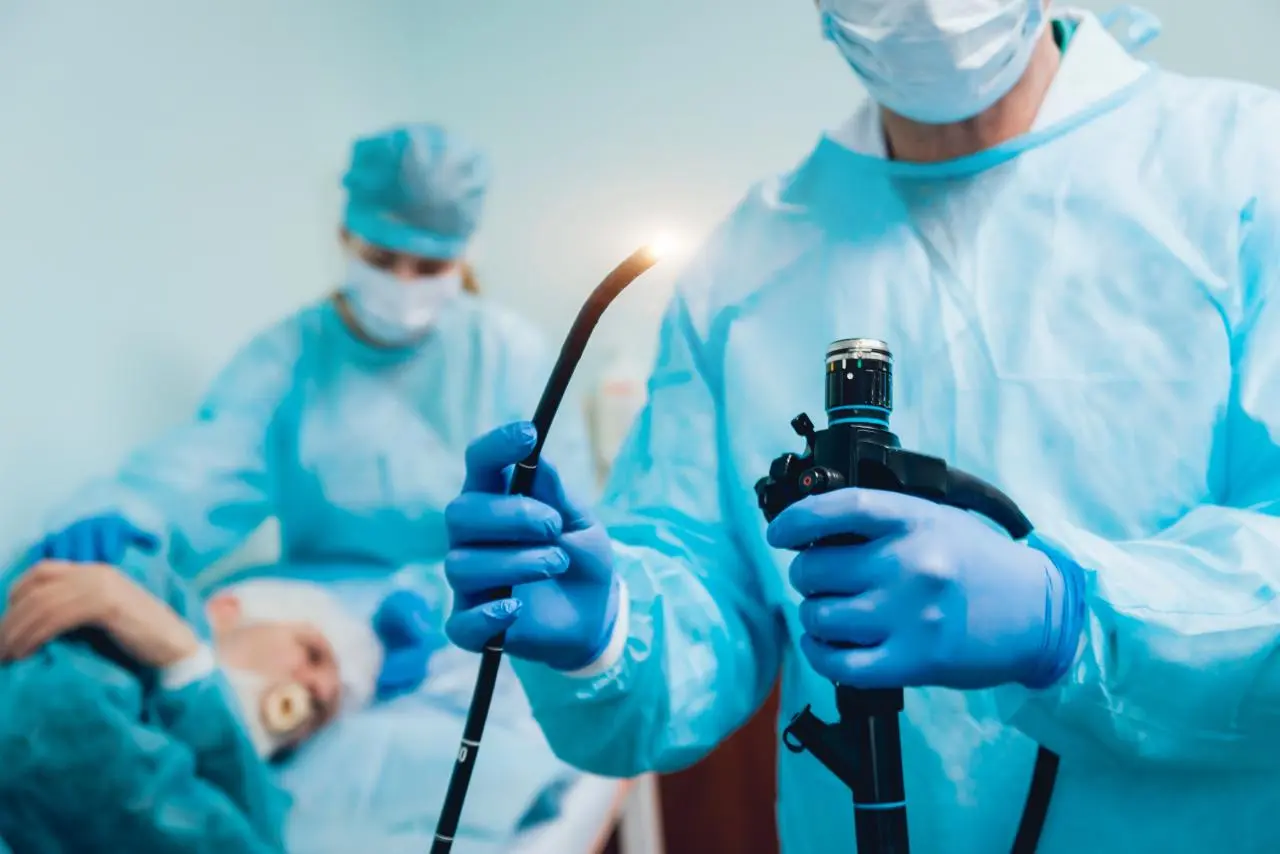
Diseases of the digestive system often develop without obvious symptoms, making early diagnosis essential for maintaining good health. Gastroscopy and colonoscopy are among the most informative diagnostic procedures available today. Modern endoscopy allows physicians to detect abnormalities at an early stage, establish an accurate diagnosis, and begin treatment promptly. Thanks to advanced equipment and the use of sedation, these procedures are now safer and significantly more comfortable for patients.